





























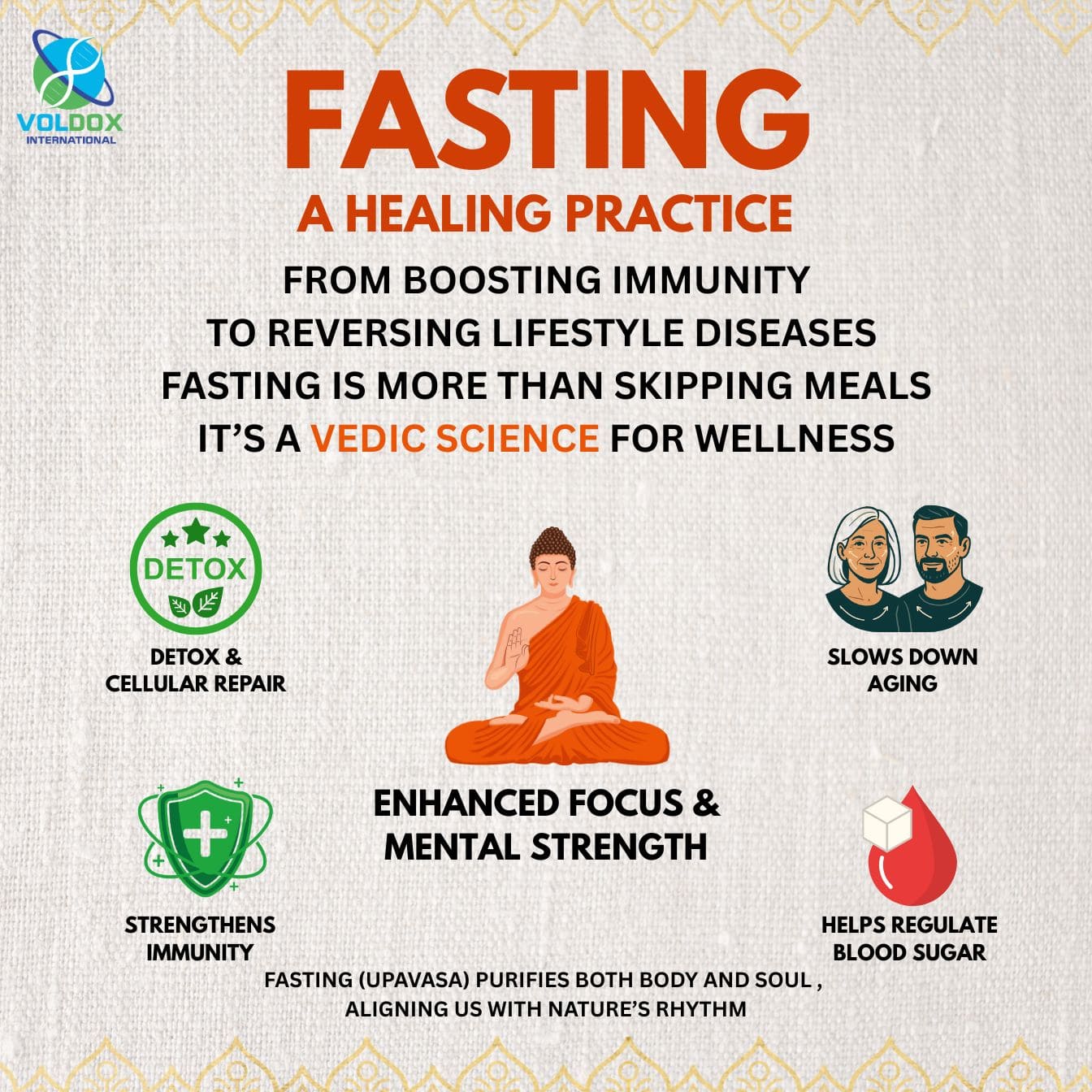
Fasting is far more than simply abstaining from food, it is a practice deeply rooted in human history, across cultures and religions, and especially emphasized in the Vedas and Hindu tradition. Today, modern science validates what the ancients knew: fasting is a powerful tool for healing, longevity, and spiritual clarity.
Health Benefits of Fasting
- Cellular Detox & Repair (Autophagy)
When the body is not busy digesting food, it shifts its energy towards repairing cells, removing toxins, and regenerating tissues. This process, called autophagy, is now linked to longevity and reduced risk of chronic disease. - Blood Sugar & Insulin Sensitivity
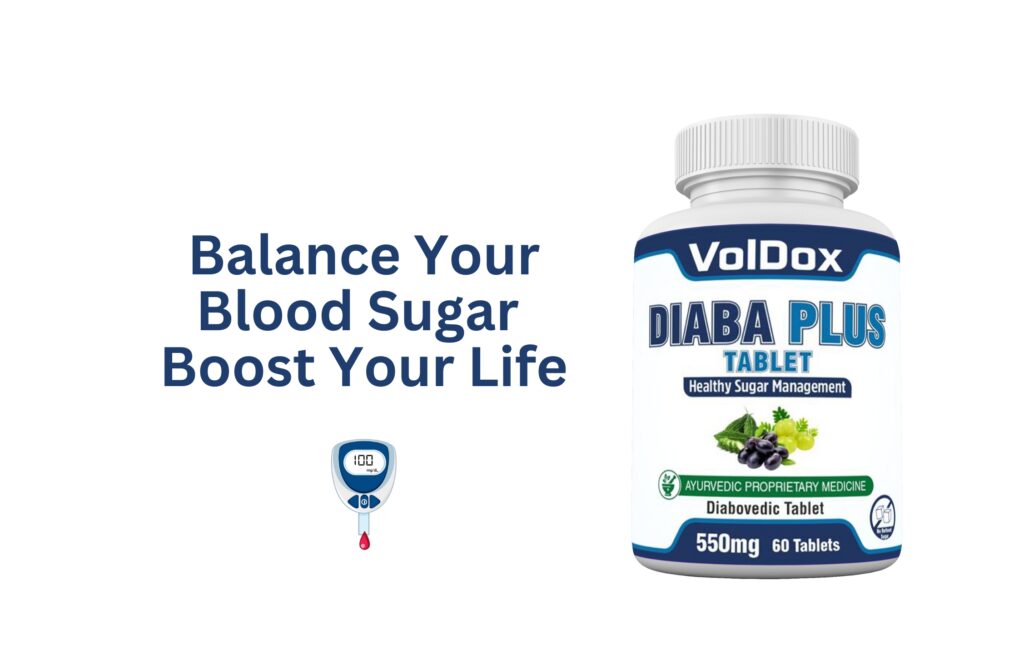
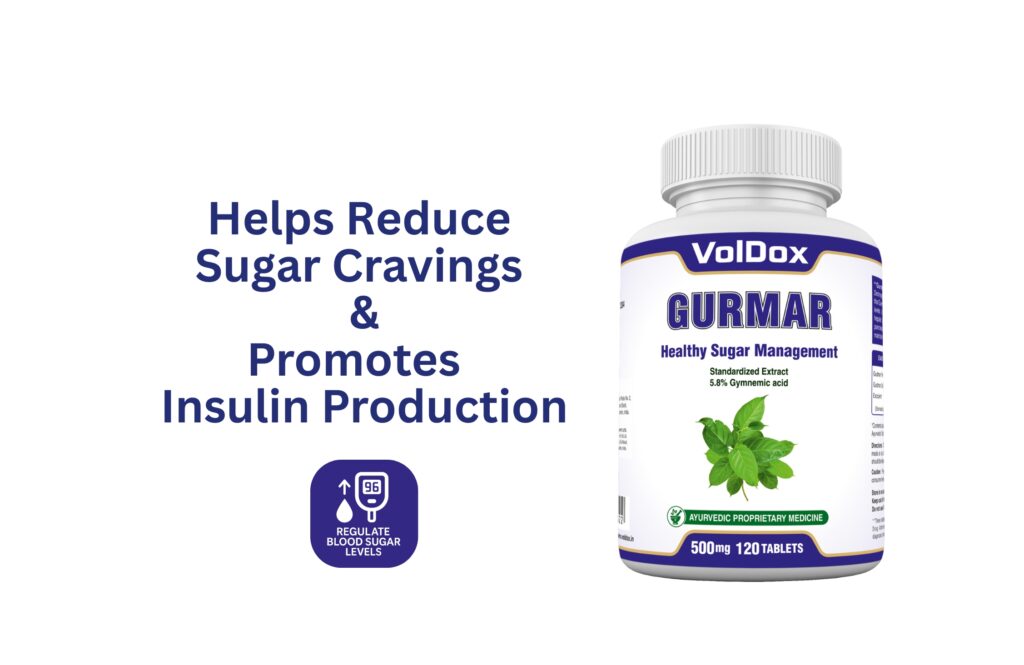
Intermittent fasting helps regulate insulin, making it highly beneficial for people at risk of type 2 diabetes or metabolic disorders. - Heart & Circulatory Health
Studies show fasting can lower cholesterol, triglycerides, and blood pressure, strengthening cardiovascular health. - Weight Management & Fat Burning
Fasting switches the body into a fat-burning mode (ketosis), helping in natural weight control without extreme diets. - Enhanced Focus & Mental Strength
Reduced inflammation and stabilized blood sugar often improve focus, calmness, and emotional resilience.
Fasting and Disease Reversal
- Diabetes & Metabolic Syndrome: Improves insulin sensitivity and stabilizes blood sugar.
- Hypertension: Helps normalize blood pressure by balancing electrolytes and lowering vascular stress.
- Digestive Disorders: Gives the gut rest, reducess bloating, acidity, and improves gut microbiome.
- Inflammatory Conditions: Fasting reduces chronic inflammation, aiding in arthritis, asthma, and autoimmune diseases.
- Longevity & Anti-Ageing: Cellular repair slows down ageing markers, keeping skin, joints, and immunity stronger.
Age-Wise Criteria for Fasting
- Children & Teenagers: Should avoid prolonged fasts. Instead, simple dietary discipline (early dinners, no junk food) is more beneficial.
- Young Adults (20–40 years): Can safely practice intermittent fasting (14–16 hours) a few times a week. Boosts metabolism and mental sharpness.
- Middle Age (40–60 years): Best suited for weekly or bi-weekly fasts, focusing on detox and reducing risk of lifestyle diseases.
- Elderly (60+): Should keep fasts short and gentle—like fruit fasts or light intermittent fasting—to avoid weakness, while still gaining detox and immunity benefits.
(Note: Anyone with chronic medical conditions should consult a doctor before starting.)
Fasting for Stronger Immunity
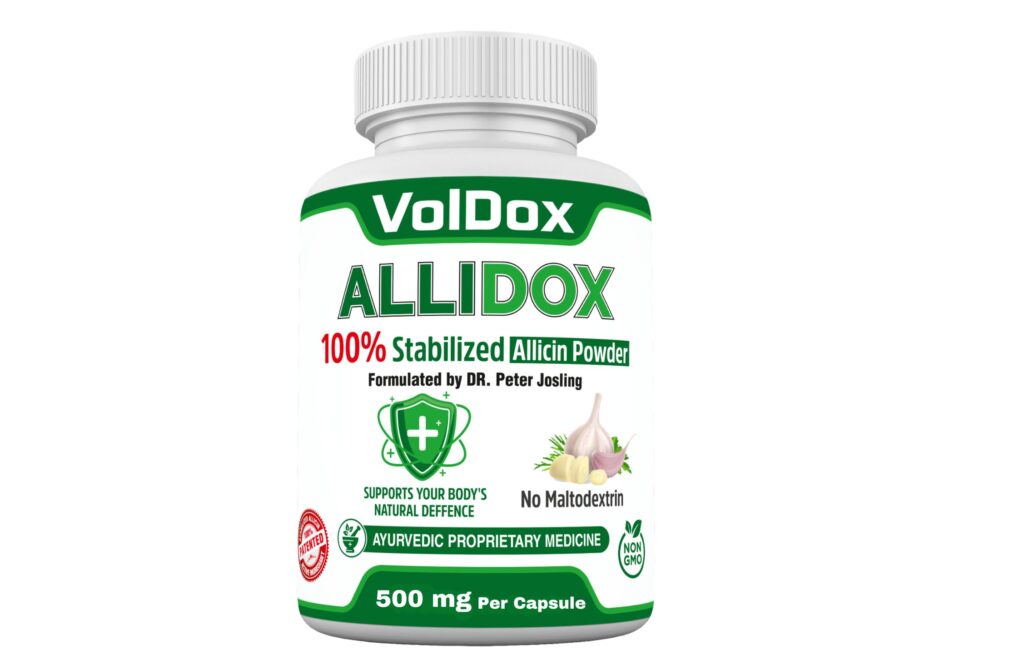
Fasting rejuvenates the bone marrow and white blood cells, helping the body build a fresh immune defense system. It lowers oxidative stress, enhances gut flora, and strengthens the body’s natural shield against infections. Modern research shows that even 72 hours of fasting can help regenerate the immune system.
Fasting in Vedic & Hindu Culture
In Hindu tradition, fasting is not just a health practice—it is a spiritual discipline. The Vedas, Upanishads, and Puranas mention fasting (Upavasa) as a way to purify the body, mind, and soul.
- Ekadashi Fast: Observed twice a month, it is believed to balance lunar energies and cleanse the body.
- Navratri Fasting: Nine days of controlled diet and devotion, aligning body rhythms with seasonal changes.
- Karva Chauth & Purnima Fasts: Strengthening faith, willpower, and discipline.
The Sanskrit word “Upavasa” means “to be near the Divine.” Thus, fasting was seen as both a health practice and a spiritual tool, harmonizing the physical and the cosmic.
Conclusion
Fasting bridges ancient Vedic wisdom and modern science. It detoxifies, heals, strengthens immunity, and helps reverse many lifestyle diseases. When practiced according to age, health, and tradition, fasting is not just about skipping food—it is about renewal, balance, and inner strength.
